The Tehreek-e-Labbaik Pakistan (TLP) has returned to the international scene with its proponents across the world staging gigantic solidarity rallies on the present day. The movement formed as a religious and political protest in Pakistan has now spread to Cities in the UK, Canada, Australia and the Middle East. They were protesting in the streets in front of embassies, consulates and large squares of big cities, screaming against what they term injustice and silence of the global powers in the matters of religion and humanitarianism.
The TLP protest is well known to bring out crowds of people in Pakistan, but the recent global movement in protests shows the increasing strength of the movement among the community overseas. The rallies have not only attracted attention to internal politics of Pakistan but also to the fact that the diaspora still remains connected to national causes. The number of people attending with their voices loudly shouting Labbaik Ya Rasool Allah and green flags in their hands showed how national the movement is internationally.
The Root cause of the Global TLP Protest
The protest in Pakistan that has been going on this week triggered the global TLP protests. The campaign started with an intention of putting the government under pressure to be stronger in supporting the rights of Palestinians and the issue of religion, but soon gained global acceptance. Similar rallies were announced by Pakistani expatriate communities particularly in London, Toronto, Dubai and Birmingham to demonstrate their solidarity with the protesters in Lahore and Islamabad.
These efforts were coordinated by social media. Hashtags like #TLPGlobalProtest and LabbaikMovement started to trend on various platforms, inviting foreign followers to assemble in a non-violent way. Religious leaders and local leaders in foreign countries reiterated the calls of TLP noting that Muslims had to unite and act together against the perceived global injustices.
The Great Uprisings of the World

UK
The protesters were carrying banners carrying the slogans Respect for Holy Symbols and they were shouting their slogans in favor of protesters in Pakistan. The police closely monitored the rally which they described as the peaceful event.
Canada
In Toronto and Mississauga lots of citizens of Pakistani origin participated in demonstrations. According to the organizers, they were not going to engage in confrontation but peace and justice. One of the representatives stated that it was not their aim to struggle against the government, but to show the respect to their religion and their nation.
Australia
The same was witnessed in Sydney and Melbourne. Demonstrators flocked Pakistani diplomatic missions chanting religious verses and carrying peace banners. The government allowed small groups to meet in compliance with the law on the safety of its population, and no cases of violence were recorded.
Middle East
There were also expatriate communities in Dubai, Riyadh, and Doha who went to the streets. In spite of local authorities limiting mass marches, in small groups, they were assembling outside the mosques, after Friday prayers, to demonstrate their allegiance to the cause of TLP.
Main Protests that were Brought Forward by the Protestor
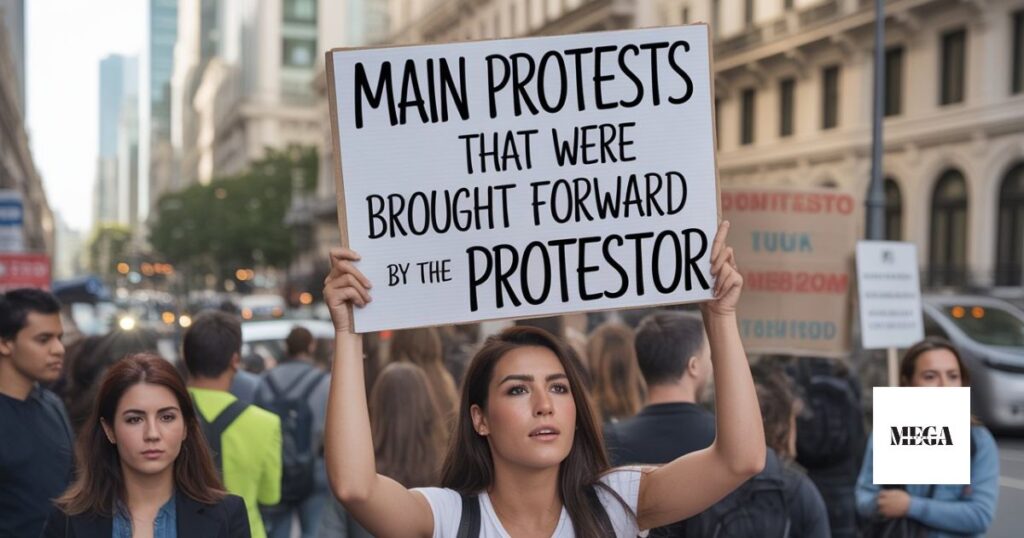
The demonstrators of TLP across the world made several demands, which they considered as the most essential and requested the governments of the Muslim majority and international institutions to pay attention to them.
- More diplomatic efforts on support of Palestinian rights and safeguard of religious sanctities.
- Appeals to ceasefire and humanitarian aid to Gaza.
- Authority denunciation of blasphemy and hate speech against the Islamic leaders.
- Diplomacy with global leaders to resolve on religious sensitivities amicably.
- Freeing of arrested TLP members and leaders of protests in Pakistan.
These demands were placed in symbolic form to the local consulates in various cities and the leaders of the protests gave over written petitions to the embassy representatives.
Diplomatic and Governmental Responses
The world governments reacted differently to the protests
Pakistan also pressured the same through the interior ministry which reiterated that it would ensure law and order reigned and had urged Pakistani citizens overseas to express their views amicably. The diplomatic missions in Europe and North America that were in place realized the meetings and reported that majority of them were peaceful.
The local police in London had also made a statement that they were closely observing the demonstrations happening in the city such that the people would not be in danger. Canadian authorities emphasized on the freedom of expression and reminded the participants that they should not disrespect local law.
On the same note, in the United Arab Emirates and Saudi Arabia, they allowed gatherings within religious compounds with the supervision applied, which is a careful yet lenient attitude.
No big incidences have been reported, but the governments are on the alert that there may be unrest especially when the protests in Pakistan intensify.
Social Media and Online Mobilization Role
The social media sites were the pulse of TLP all over the world. Videos of Lahore and Islamabad were quickly distributed all over the world, and the communities abroad chose to hold similar protests. Followers relied on sites including X (previously Twitter), Facebook, TikTok, and YouTube to organize rallying points, update in real-time, and increase the volume of their message.
Digital activism was vital in ensuring that there was synchronization between local and international branches of the movement. In Pakistan, online coverage of the protests was used to stream live events to the demonstrators in foreign countries uniting them emotionally and symbolically.
But the misinformation is also spreading fast. Some unconfirmed videos alleged violence or deaths which went viral and experts in fact-checking and reporting asked people to be cautious. Nonetheless, it is true that social media was at the center stage of creating the global discourse of the TLP cause.
Political and Religious Leaders Reactions
The global TLP protest have elicited mixed reactions by political and religious leaders who have reacted to support, be concerned, and be careful.
The movement led to the establishment of a common message of faith and dignity among Muslims by some religious scholars. They referred to it as spiritual awakening of the younger generation of Pakistanis living in foreign countries.
On the other hand, the growing power of TLP, according to the opinions of political analysts, may disrupt diplomatic traditions and put the relationships between Pakistan and some Western states under pressure. According to critics, the organization should make sure that its international operations are peaceful and not incitement so as to prevent any negative repercussions.
In the meantime, government officials in Islamabad reiterated that the right of peaceful assembly had to be harmonized with the national security and the order in the country. It is also claimed that attempts are being made to open dialogue channels between the state and the leadership of TLP so that it does not escalate further.
The Pakistani Diaspora Communities were Impacted
The TLP protest around the globe have also stirred back the debate among the Pakistani expatriates. A large number of Pakistani expatriates also support the movement objectives but are split in the approach of the movement. Some feel that these rallies are empowering the voice of these oppressed Muslims where others fear that such rallies might bring tension to host nations.
The community leaders have urged people to be united and restrained by encouraging the members to be more attentive to peaceful advocacy, education and interfaith dialogue. According to them, the awareness campaigns carried out in the world should not be done confrontationally as this may harm the image of Pakistan in the world.
Regardless of the domestic disagreements, there is one thing that is being evident, and this is the fact that the message of TLP has been able to gather a large network of Pakistani expatriates in foreign countries, which signifies the fact that they are still emotionally attached to national causes and religious ideals.
Media Reporting and Publicity
The world media has given sparse yet careful attention to the world wide TLP demonstrations. The events were covered by major networks in Europe and Middle East where the peaceful nature of most of the gatherings was stressed. In Pakistan, there was still a more comprehensive coverage of it as news channels focused on live broadcasting and talk shows to discuss further development of the movement throughout the world.
There is a divided response of the people. The international rallies also provide a feeling of pride to some citizens as they can be regarded as the testimony to a strong and united diaspora. Some people worry that the increasing popularity of TLP outside of Pakistan could subject it to the attention of other countries or face serious attempts to spy on the activities of Pakistani organizations in other countries.
Security Issues and Precautions
Most of the protests were peaceful but governments in some countries undertook to provide an increased security measures in and around diplomatic offices, mosques and in roads.
Measures that have been put in place to prevent the spread of pandemics across the globe:
- Making embassies and religious centers have a greater presence of the police.
- Crowd control obstacles and temporary traffic diversion.
- Liaison with local police departments and consulates.
- Observation of social media sites to ensure that there is no misinformation.
- Limit on big meetings without permits.
These actions were mainly proactive and intended to safeguard the people and not curtail freedom of speech.
Analysis: Globalization of Domestic Movement
The fact that TLP protest are spreading outside of Pakistan is evidence of the globalization of domestic political and religious movements. Causes that before were only limited to a national context can then easily become international movements in the digital age. The party followers in foreign countries act as both amplifiers and extensions of the party ideology combining faith activism with international outreach.
This process presents complicated problems to governments. On the one hand, it shows how powerful religious unity and trans-national ties in communities can be. On the flipside, it brings up political polarization, radicalization of Diasporas and diplomatic sensitivities. Expert’s stress that state institutions and the civil society should maneuver through such dynamics in order to preserve the peace and respect to each other.
Conclusion
As the TLP protest rallies taking place across the world today show, the intertwining of religious and political identities in the Pakistani communities is very deep. This massive mobilization indicates that the matters of faith, justice and representation still reverberate across generations and geographical lines.
The formation of the movement is also the indicator of the solidarity and belief, but it also demands the responsible leadership and the positive communication. The international authorities and Pakistani government should ensure that the protests are peaceful, meaningful and legal.
And, after all, what counts is the necessity of translating passionate protest into positive action, how are we to avert those gaps between religion and state and diplomacy in the world that must know and not make war.
FAQ’S TLP Protest
1. What are the primary requirements of the protestors?
Religious reverence, freedom of victimized Muslims, and freedom of imprisoned members, and international publicity on their plight.
2. What has the government done?
Both the Pakistan government and other governments in the world have demanded some sanity and advised protesters to use peaceful and legal methods of expression.